Now that our trip is over, it’s time to get back to regular life after spending three weeks away. But before we do, I’d like to offer a few thoughts on the trip.
Firstly, Switzerland is a very beautiful country with a lot to see. I know we didn’t get to see everything, but I’m happy with our choices. For others planning a visit to Switzerland, here are a few things which I found useful.
Get a good data roaming plan for your mobile phone as I found a few apps to be invaluable during our travels.
The SBB Mobile app is a great way to look up train, boat and bus schedules on the fly. I used this extensively, along with Google Maps, which I found to also be very accurate with transit schedules, and often easier to use than the SBB app if you don’t know the exact name of the specific stop you need to get to (ie. you know the name of an attraction or place but not the nearest bus stop name). You can also purchase tickets through it, but since we had travel passes, we didn’t use that feature.
The SwitzerlandMobility app is excellent if you’re planning some hikes. Normally, I like to use my rugged Garmin eTrex 30 GPS clipped to my belt in conjunction with installed vector topo maps of the places I’m hiking. If you plan to go this route, you’ll be in for sticker shock at what the topo maps will cost you, when compared with map products for North America or other parts of Europe. However, all is not lost. Electronic topo maps of Switzerland are made available for free, but just not in a downloadable format for installation onto your GPS. As long as you have cellphone coverage and a data plan, you can use this app for free and have very detailed map coverage and always know where you are (assuming your phone battery holds out).
For weather forecasts, I also found the MeteoSwiss app to be very handy and fairly accurate for the forecasts where we were travelling.
If you’ve already started researching a trip to Switzerland, you’ve probably heard people tell you it’s expensive. They’re right! As someone who works in the grocery industry here in Canada, I take a particular interest in checking out grocery and drug stores wherever I travel, and there is no question that food costs more here–a lot more (in both restaurants and in grocery stores). I found the Coop stores to be just about everywhere, and very convenient for buying supplies and good ready-made sandwiches as an alternative to eating out, which can help to keep food costs under control.
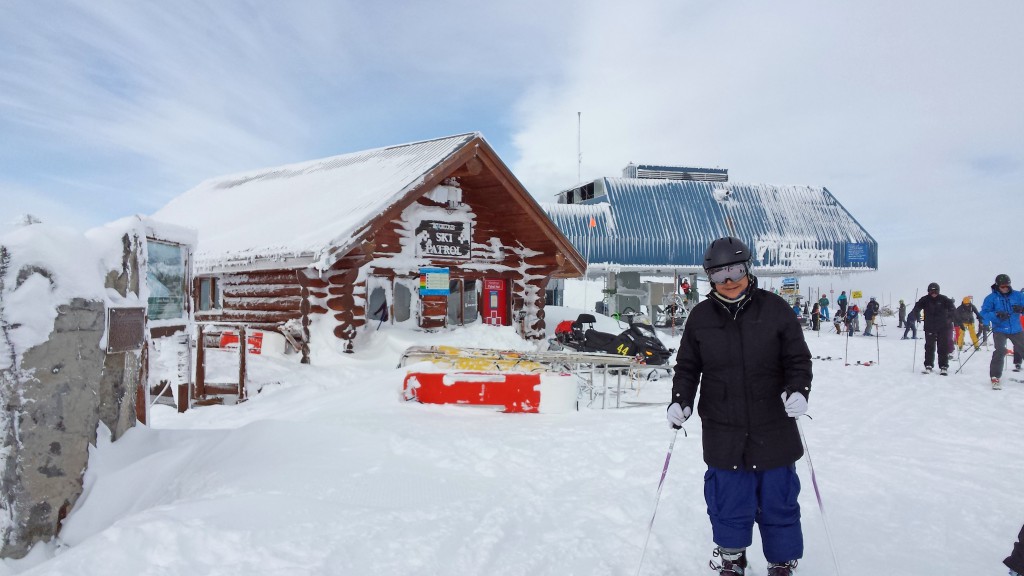
You will probably also find that hotels are more expensive in Switzerland than in Canada, but with a slight twist. I found hotels in the cities of Geneva and Zurich to be more expensive than similar quality hotels in the country or resort areas. In Canada, I generally expect to pay more for a quality hotel in places like Banff, Whistler or Lake Louise than I would for one in Toronto or Vancouver.
You’ve probably also heard people say that the transit system in Switzerland is excellent. They’re right about that too! But it’s also confusing to figure out exactly what it will cost you. Should you buy a Travel Pass, or a Half-Fare card, or just pay as you go? It’s basically a spreadsheet exercise of costing out the various methods of paying for where you plan to go. I did that math, and determined that the pass was more expensive for us than just buying a Half Fare card and paying as we go. However, we purchased a Travel Pass Flex product anyway. Here’s why…
When you’re doing your planning, it’s hard to know every place you plan to go. Sure, you probably know the cities you will overnight in, but I found that we ended up taking the train, boat and bus for a lot of side trips that we didn’t originally plan for (particularly the lake boats). In the end, the pass actually worked out to be the best option, even though the math didn’t say so in the original plan.
The pass is also convenient. There were a lot of times where we were running to catch that next boat or train, and just hopping on and off various buses. I suspect it would have been a big pain to have to stop and purchase tickets each time we decided to go somewhere (or, perhaps not with the ticket purchase function in the app). That convenience should be worth something in your calculations.
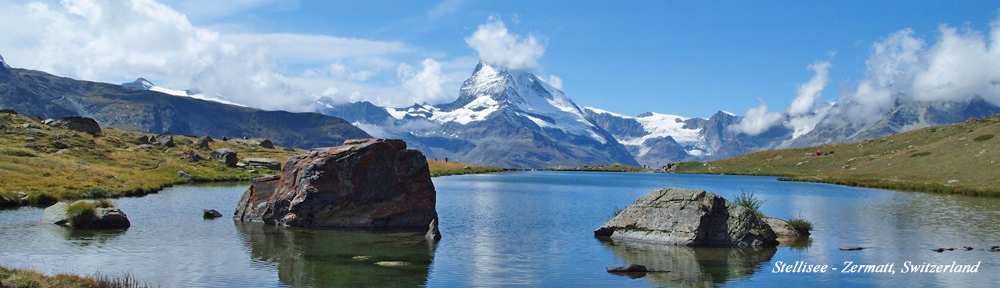
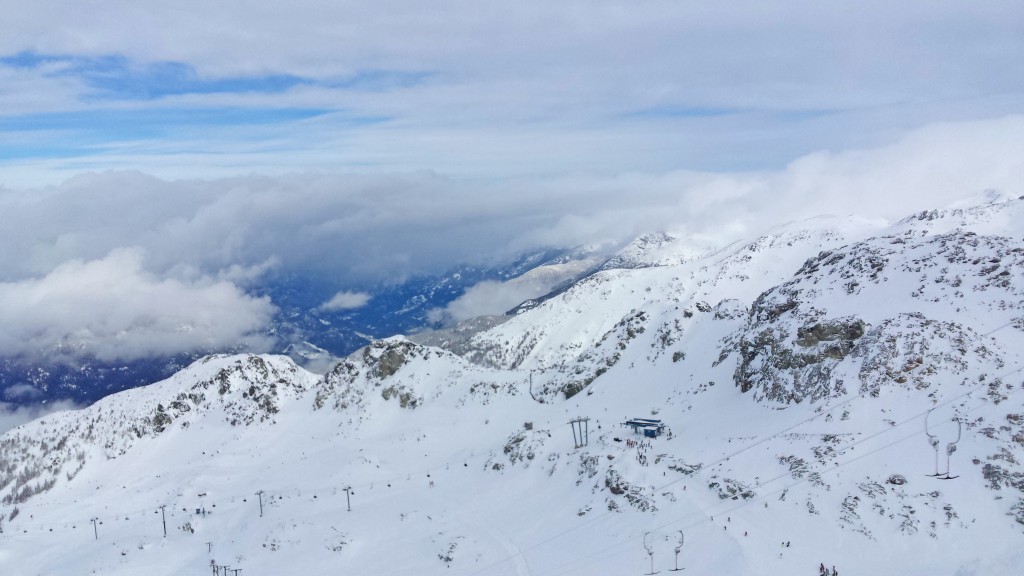
Many of our vacations have been centered around mountains. After finishing this trip, I think it’s interesting to note some of the differences between the mountains in Switzerland compared to a place like the Canadian Rockies. The biggest difference that comes to mind is not the terrain or the natural beauty itself, but rather what development has been done to it. In Switzerland, access is very good, as there are cable cars and trains to take you up to many places. In the Rockies, if you want to get to the top of any mountains, you’re probably going to have to hike all the way up and back down again. Whether or not one of these is better than the other depends entirely on your perspective.
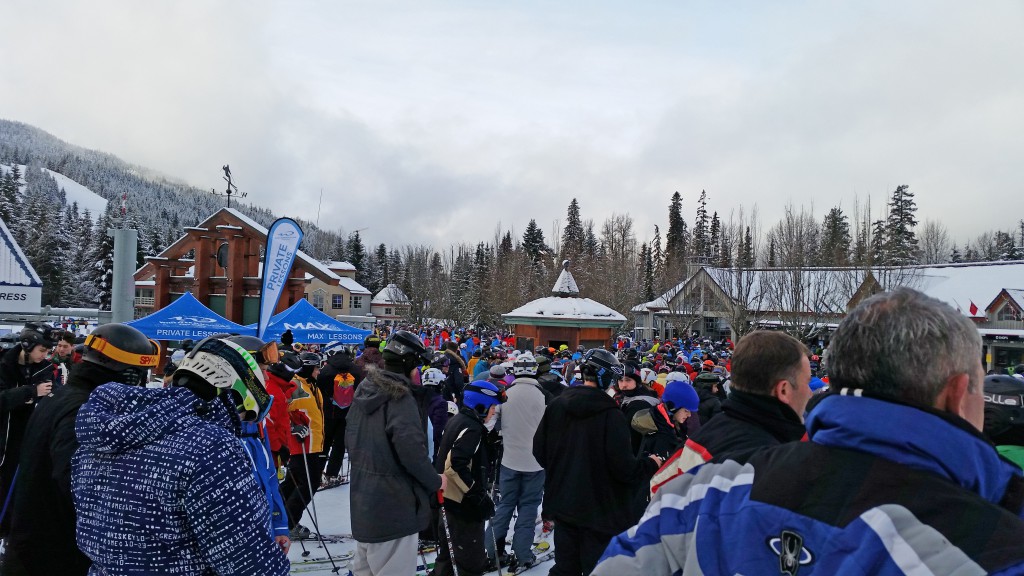
There is something nice about being able to hike one way and get a ride back with the access that exists in Switzerland. There is something nice about taking a lift to get out of the trees, and start the hiking when you’re already up in the alpine areas. On the other hand, with all of that convenient access comes some downsides. The mountains in Switzerland are a lot busier than those in the Rockies. In the Rockies, when you reach a hiking destination, you’re likely to find solitude and nature. In Switzerland, you may very well find a restaurant with a hundred tourists milling about. In the Rockies, there is little development, but in Switzerland, there are lots of people living in and farming the mountainous areas. Whichever is better will depend on what you’re looking for.
That’s all my tired brain can come up with for now, but if I think of anything else, I’ll update the post later.